At a glance
Key passages: Joshua 24:15, Luke 2:1–20
Traditions should serve people rather than making people serve the schedule.
The central Christian claim
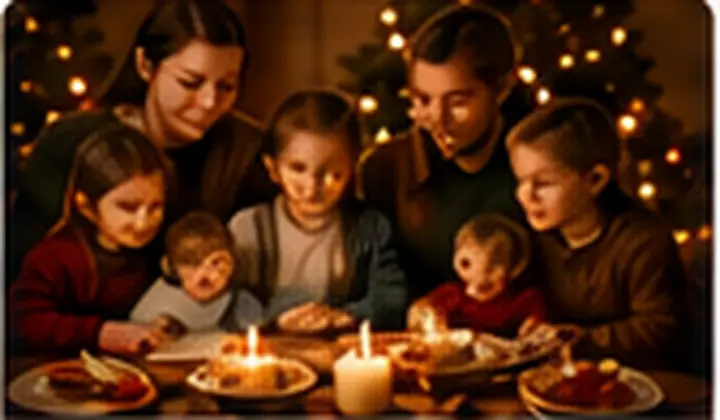
Choose a manageable rhythm of Scripture, prayer, meals, service, music, and rest for households of different sizes. Christmas gathers doctrine, memory, worship, culture, and family expectation into one season. A careful Christian approach begins with Jesus rather than nostalgia, controversy, or commercial pressure. Traditions should serve people rather than making people serve the schedule. Single adults, blended families, foster families, and households separated by distance need flexible examples.
A yearly practice can be evaluated by the attention, gratitude, welcome, and peace it produces.
Reading the biblical foundation
The most useful starting point is the biblical text itself: Joshua 24:15, Luke 2:1–20. Read enough of each passage to follow its setting and argument. Individual verses should not be detached from the Gospel story or used only as decorative slogans. A yearly practice can be evaluated by the attention, gratitude, welcome, and peace it produces.
Traditions should serve people rather than making people serve the schedule. Single adults, blended families, foster families, and households separated by distance need flexible examples.
History and careful interpretation
Christian communities have developed local practices, and not every practice is ancient, universal, or required. Historical uncertainty should be acknowledged plainly. It does not prevent a custom from being meaningful, but it does prevent overconfident claims.
Single adults, blended families, foster families, and households separated by distance need flexible examples. A yearly practice can be evaluated by the attention, gratitude, welcome, and peace it produces.
Practising this faithfully today
Choose one or two realistic actions: read Scripture aloud, pray in ordinary language, invite someone who might be alone, simplify spending, sing a Christ-centred hymn, or support a trusted local ministry. The goal is not a more impressive Christmas but more visible attention, gratitude, welcome, and obedience.
- Traditions should serve people rather than making people serve the schedule.
- Single adults, blended families, foster families, and households separated by distance need flexible examples.
- A yearly practice can be evaluated by the attention, gratitude, welcome, and peace it produces.
For families, children, and churches
Use short explanations and concrete objects with younger children. Older children and teenagers can compare Gospel accounts, discuss assumptions, and serve without being forced into public performance. Churches should follow safeguarding, accessibility, allergy, and supervision policies.
Choose a manageable rhythm of Scripture, prayer, meals, service, music, and rest for households of different sizes. Traditions should serve people rather than making people serve the schedule.
Questions for reflection
- What does this show about Jesus?
- What is biblical teaching and what is cultural custom?
- How could this shape worship, family life, or service?
- What pressure or confusion should be released?